

When you sit down to plan your new home in Troy or Lincoln County, Missouri, the conversation around technology can get confusing fast. The sales team at CMS Homes hears the same question often: “Should I add smart home features?” But what most new home builders actually need to ask first is a different question: “Which tech upgrades do I need to plan for before the walls close?”
These are two separate categories, and mixing them up can leave you either over-investing in systems you don’t use or, worse, unable to add the technology you want after construction ends. This guide breaks down both, tells you what belongs in your build plan, and helps you have the right conversation with your CMS sales team before your home gets underway.
Tech Upgrades vs. Smart Home Systems: What Is the Difference?
Think of it this way. Tech upgrades are the infrastructure investments you make during construction: the wiring, conduit, outlets, and pre-wired connections that make technology possible inside your home. Smart home systems are the devices and platforms you layer on top of that infrastructure, like voice assistants, automation hubs, cameras, and app-controlled thermostats.
Here is why this distinction matters for new home builders in Lincoln County: tech upgrade infrastructure is nearly impossible to add after drywall goes up. Smart home devices, on the other hand, are purchasable, swappable, and upgradable at any point. You can always buy a new thermostat. You cannot always run new speaker wire through finished walls without tearing them apart.
As part of CMS Homes’ elevated semi-custom build process, your team walks you through decisions like these before construction begins, so you never face that frustrating and costly situation later.
Common Tech Upgrades to Plan for During Construction
The following upgrades belong in your pre-construction conversation. Each one is a decision you make during the build, not after move-in. Some are modest in cost; others require more investment. All of them are far more economical to include now than to add retroactively.
1. Additional Electrical Outlets and High-Powered Wiring
 Standard electrical plans are designed around standard living. If you have anything beyond that, from a hot tub or outdoor spa to a workshop in the garage to an electric vehicle charger, your plan needs dedicated 240V circuits to support it.
Think through where you will spend time and what you will run. Outdoor patio outlets for string lights, a TV, and a sound system. Outlets inside cabinet doors for under-counter appliance storage. Floor outlets in the great room for flexible furniture arrangements. A dedicated circuit in the laundry room for a high-capacity washer or dryer. These are not luxury considerations; they are practical ones, and they cost a fraction of what they will cost to add later.
The “Things You Cannot Change After Your Home Is Built” blog covers electrical and plumbing infrastructure in greater detail. It is required reading before your build begins.
2. Pre-Wired Built-In Whole-Home Audio
Built-in speakers are one of the most-requested tech upgrades among CMS home buyers, and one of the most regretted omissions when buyers skip them to save upfront. In-wall or in-ceiling speaker wire costs very little to run during framing. The result is a clean, wire-free listening experience in the kitchen, primary suite, covered patio, or throughout the main floor.
Pre-wiring means your speaker wire and audio distribution runs are in place before drywall. You can purchase and install the actual speakers and receiver at any time after move-in. You simply need the wire paths to be there.
3. LED Outdoor Lighting Circuits
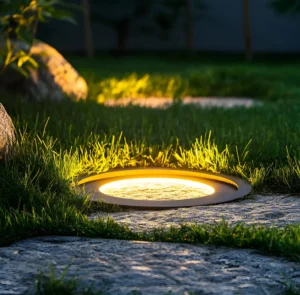 Low-voltage LED landscape lighting, security lighting along the roofline, and accent lighting for exterior architectural features all require dedicated low-voltage wiring and transformers. Planning these circuits during construction means you can add the actual fixtures at move-in or years later without any invasive work.
For CMS homes in communities like Sugar Maple Estates, where 3-acre lots offer substantial outdoor space, exterior lighting design can genuinely transform how your property looks and functions after dark. Talk with your sales team about low-voltage conduit runs during your pre-construction meetings.
4. Undercabinet and Accent Lighting
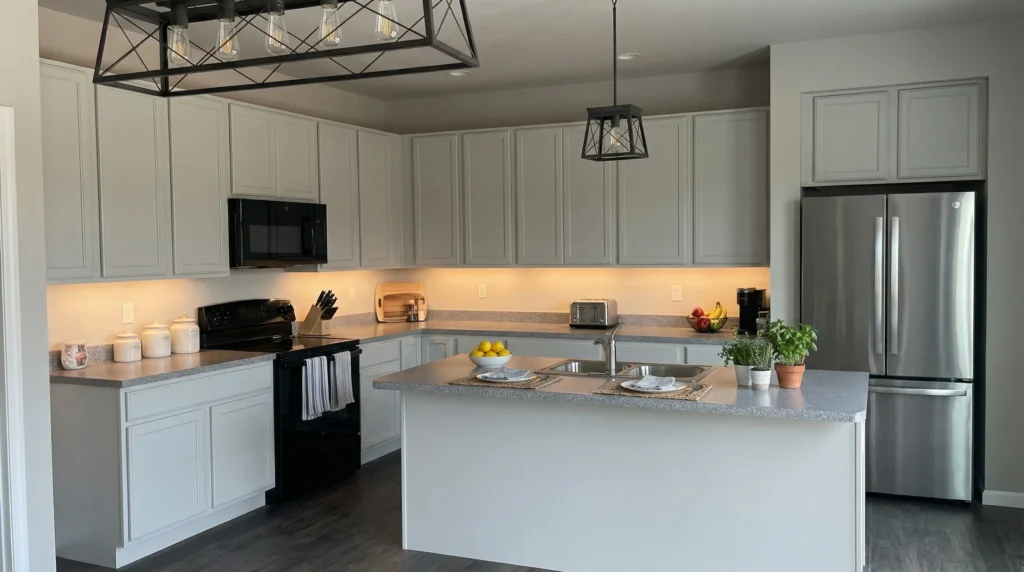
Hardwired undercabinet lighting in the kitchen is a non-negotiable for buyers who spend time cooking. It illuminates countertops for prep work, eliminates shadow from upper cabinets, and adds a warm, elevated ambiance to the heart of your home.
The same principle applies to accent lighting in built-in shelving, toe-kick lighting beneath lower cabinets, and recessed lighting in tray ceilings. These circuits are easiest to plan during construction, and the visual result is worth every bit of the planning effort.
5. Built-In Central Vacuum System
A whole-home central vacuum system requires PVC tubing to run through interior walls during framing, connecting inlet ports in each room to a central power unit in the garage or utility area. Once walls are finished, adding this system means opening those walls.
Central vacuum systems offer stronger suction than portable vacuums, eliminate the need to carry a unit room to room, and keep dust and allergens contained in the garage or utility space rather than recirculating through the home. For families with pets or allergies, this is a genuinely meaningful upgrade.
6. High-End Appliances with Dedicated Circuits
Restaurant-grade ranges, steam ovens, wine refrigerators, beverage drawers, and built-in coffee systems all require dedicated circuits and precise cutout dimensions. These need to be part of your kitchen design plan, not an afterthought.
If you know you want a dual-fuel range or a built-in refrigerator column with specific panel requirements, your cabinet maker and electrician need to plan around those specs from day one. CMS Homes works with high-end cabinet lines and appliance packages to make sure those conversations happen in the right order.
For more on the decisions that shape your kitchen and living spaces, see How to Personalize a Semi-Custom Build.
What Counts as a Smart Home System (and Can Wait Until Later)
Smart home systems are the purchasable technology layer. These are the devices, hubs, and platforms that connect to your home’s infrastructure. Because most operate wirelessly or plug into existing outlets, they are replaceable and upgradable at any point after move-in.
Smart home devices include:
-
- Smart thermostats (like Ecobee or Nest) that connect via Wi-Fi and your existing HVAC wiring
- Smart can lights and dimmers that replace standard fixtures with no additional wiring
- Smart door locks, video doorbells, and security cameras that run on Wi-Fi or power-over-ethernet
- Voice assistant hubs and smart speakers that plug into standard outlets
- Whole-home Wi-Fi mesh systems installed after move-in
- Motorized window shades and smart blinds
The one exception: if you want hardwired ethernet runs to specific rooms (for gaming, a home office, or a security system NVR), plan those low-voltage conduit paths before drywall. Wi-Fi is fine for most smart home devices, but hardwired connections are more reliable for high-demand uses.
According to the National Association of Home Builders, demand for smart home features in new construction continues to grow, but buyers consistently report that the infrastructure layer, not the devices themselves, is what they wish they had planned more carefully from the start.
A Quick Reference: Build-Time vs. Anytime
Here is a simple way to think through your tech decisions:
Plan During the Build:
-
- High-powered electrical circuits (240V for EV, spa, workshop)
- Low-voltage conduit and wire paths for speakers and outdoor lighting
- Central vacuum tubing
- Undercabinet lighting circuits
- Dedicated appliance circuits
- Structured wiring for ethernet to key rooms (home office, media room)
Add After Move-In:
-
- Smart thermostats and smart can lights
- Voice assistants and smart speakers
- Smart door locks and video doorbells
- Wi-Fi mesh systems
- Smart shades and blinds
Bring Your Tech Wishlist to Your First Conversation
 The best time to think through these decisions is before your build begins. CMS Homes’ sales team in Troy, Missouri, helps you sort through these choices as part of the pre-construction planning process, so your home is infrastructure-ready for the life you want to live in it.
If you have questions about what is standard and what is an upgrade, the Common Home Building FAQs page is a great place to start. And when you are ready to see what an elevated semi-custom home looks like in person, visit our Orchard Grove Display Homes at 602 Schapers Court in Moscow Mills, Missouri. Open Monday through Saturday, 11am to 5pm.
You can also explore our New Home Must-Have Checklist to make sure your build plan covers all the details that matter most. There is no better time to get this right than before the first nail goes in.
Ready to talk through your tech wish list? Contact CMS Homes today.