

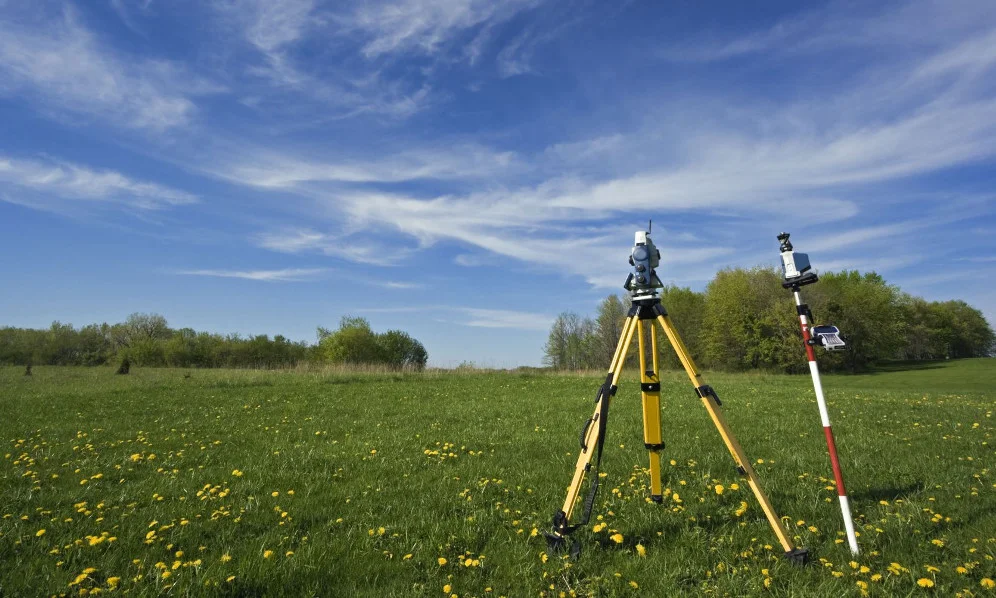
You own land, or you are close to owning it, and the question now is what to do next. Building a home on private property follows the same general path as building in a community, with a few additional steps at the front end. This guide covers all ten of them, plus a Step 0 for buyers who are still in the process of finding land.
CMS Homes’ Build Anywhere program is designed for exactly this situation: buyers who want a semi-custom home on land they already own, on land they are still looking for, or anywhere within our service area of Troy, Missouri. Almost half of CMS Build Anywhere customers did not own land when they first contacted us. The process accounts for that.
How to Build a Home on Your Own Land: Step 0 Through Step 10
Step 0: Find the right land to build on (if you do not yet own it)
- Evaluate your lifestyle and readiness
- Get a written mortgage estimate from a lender
- Set a firm build budget
- Research home builders who build on private land
- Schedule consultations with your top builders
- Select your builder and begin designing your home
- Walk the land with your builder before the design is final
- Finalize your floor plan and sign the Build Agreement
- Stay connected throughout the construction
- Final inspection and move-in
You can also download the free CMS Homes Build Anywhere Step-by-Step Guide as a PDF to keep on hand during the process.
Step 0: Find the Right Land to Build On
If you do not own land yet, this is where your process begins. The question of where to build is as important as the question of what to build. Your lot determines the home’s footprint, the orientation, the site preparation cost, the utility connections, and in some cases which floor plans work on the property.
CMS Homes works with local real estate partners to help Build Anywhere buyers find lots in the service area. If you have a general idea of where you want to be but have not found the specific parcel yet, that is a common starting point. A lot walk with a CMS representative is free and carries no obligation.
The goal is to confirm the land can support the home you want before you commit to it.
You do not need a plan in hand to have this conversation. You need a general sense of where you want to live, a rough budget range, and a willingness to ask questions.
“It all starts with a discussion. When there’s no pressure to buy, which is true with us, we can have an honest conversation about budget, pricing, and what you want in a home, and go from there. People are often surprised to find out they’re more ready than they thought and happy to see how easy it is to take that first step.”
Kevin Kruser
CMS Homes Build Anywhere Representative
Step 1: Evaluate Your Readiness to Build on Your Land
Before you call a builder or visit a bank, take an honest look at where your life stands. A home build on private land takes 6 to 12 months from the first conversation to move-in day, sometimes longer if the lot requires significant site preparation. Both your professional and personal life need enough stability to support that timeline.
The right answer at this stage is not enthusiasm. It is capacity. Can you make yourself available for key decisions, design meetings, and site visits? Can your household handle the transition period between your current home and your new one? If yes on both, the steps that follow get you moving.
Step 2: Get a Mortgage Estimate Before You Do Anything Else

You may also need to factor in what happens if you have not yet sold your current home. Some builders require a construction loan in this situation. CMS Homes does not.
The CMS Easy Build Program eliminates the construction loan entirely. You provide 10% of the project cost in cash or lot equity. CMS Homes takes on the construction financing and deeds the lot back to you at closing. You close once, the same way you would on a move-in-ready home, with no double closings, no construction loan applications, and no months of underwriting.
If you are looking for a local lender, CMS Homes recommends Tony Pogrelis and his team at Guild Mortgage in Troy. Tony’s team is familiar with the CMS build process and the local market.
Step 3: Set a Firm Home Build Budget
Once you have a written mortgage commitment from your lender, you have a ceiling. Work backward from that number. Account for the cost of the land if you do not already own it, site preparation (excavation, utilities, tree removal, grading), and the home itself. Leave room for allowances and selections that will be finalized later in the process.
A good builder will give you a comprehensive, itemized estimate that includes a contingency fund for site unknowns. An estimate without contingency allowances is incomplete, and the surprises show up at closing.
Step 4: Find a Home Builder Who Will Build on Your Land
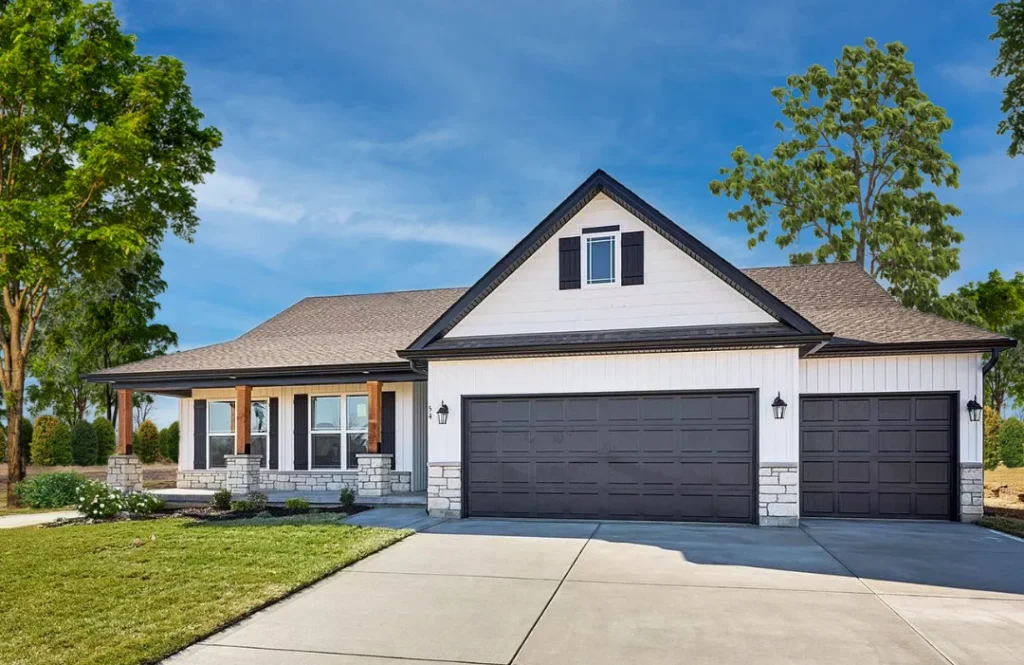
Not all home builders work on private land. Many operate only within their own community developments. If you want to build on a lot you own, you need a builder whose process is set up for that specifically.
When you research builders, look at their portfolio of private-land builds, read reviews from past customers, and pay attention to how they talk about their process. A builder who manages the full build from site prep through closing is very different from one who subcontracts each trade separately and expects you to coordinate between them.
Narrow your list to three or four candidates, then visit their display homes or active construction sites. Quality and process consistency are visible in person in ways a website cannot show.
According to the National Association of Home Builders, the most important factors buyers should evaluate when selecting a custom or semi-custom builder include experience with similar builds, transparency of pricing, quality of past work, and the builder’s approach to communication throughout the project.
Step 5: What to Ask at a Home Builder Consultation
A consultation is a two-way evaluation. You are assessing the builder, and a good builder is assessing whether the project is the right fit. Come prepared.
- How many private-land builds have you completed in the past three years, and can I speak with those homeowners?
- Do you handle site work, surveying, excavation, and utility coordination, or do I manage those contractors?
- Do you have floor plans I can start from, or do I need to bring my own architectural drawings?
- Will I walk out of this meeting with a free, itemized estimate that includes contingency allowances?
- What does your construction loan or financing process look like? Do you offer an alternative to a traditional construction loan?
- What is your typical build timeline from contract to move-in on a private-land project?
- How do you handle changes or upgrades after the Build Agreement is signed?
- Who is my point of contact throughout the build, and how often will we communicate?
Compare proposals carefully once you have them. Price alone is not the right filter. You will work with this team for the better part of a year. The builder you feel most comfortable with, whose process is most transparent, is almost always the better choice.
Step 6: Select Your Builder and Begin the Home Design

Once you have selected your builder, the design phase begins. At CMS Homes, this starts with a selection from our base-model floor plans, which you can customize to fit your lot, your lifestyle, and your budget. If you have your own architectural drawings, we can work from those instead.
In this phase, you will work through exterior elevation, floor plan layout, ceiling heights, structural upgrades, and the features you want from day one versus those you can add later. CMS Homes’ in-house designer guides this process, and the design moves through as many revisions as needed until it reflects what you want at a price that works.
Think through the full life of the home during the design phase. The decisions you defer cost more to revisit after closing than they cost to include now.
Step 7: Walk the Land with Your Builder Before the Design Is Final
A site visit with your builder is a required step, not an optional one. Lot conditions directly affect where the home can be placed, what site prep is required, and what the final build will cost. Soil composition, topography, tree placement, utility access, drainage direction, and setback requirements all influence the design and the budget.
At CMS Homes, a lot walk is offered at no cost and no obligation. If you have not purchased your land yet, this step often happens early to confirm the lot works before you commit to it. If you already own the land, the walk happens before the design is final so any site-driven constraints are built into the plan before the agreement is signed.
Step 8: Finalize Your Floor Plan and Sign the Build Agreement
Once the site visit is complete and the design is final, the Build Agreement is prepared. This document covers your full build specification, all selected features, option pricing, and site allowances. It is the complete picture of what gets built and what it costs. At CMS Homes, the agreement is written to eliminate surprises. If something changes during the build, you find out when we do, and the agreement is updated.
At this stage, you also provide your final loan commitment from your lender and pay the project deposit. Under the Easy Build Program, the deposit is 10% of the total project cost, paid in cash or lot equity. The lot is then conveyed to CMS Homes, and the build process begins.
Step 9: Stay Connected Throughout the Construction
A CMS Homes Project Manager oversees every stage of the build. Your primary job during construction is to be reachable for decisions, visit the site when you want to, and flag anything that does not match what you selected. You do not manage contractors. You do not coordinate subcontractors. You do not chase permits. That is what the project manager is for.
Visit the site at whatever frequency makes sense for you. Many CMS buyers visit every few weeks. Some visit more often, particularly during the framing stage when the floor plan becomes visible for the first time. What matters most is that you stay in communication, ask questions when something looks different from the plan, and address changes or concerns before the next phase begins. It is always easier to make a correction before drywall goes up than after.
Step 10: Final Inspection and Move-In Day
Before closing and move-in, the home goes through a final inspection. The inspector confirms that all systems operate correctly, that the build meets code, and that the construction matches the approved plans. Once the inspection passes and the certificate of occupancy is issued, the home is yours.
At CMS Homes, the final step includes a walkthrough with your builder to go through the home room by room. Any items that need attention before you take possession are documented and addressed. Then you close, the keys change hands, and the project is complete.
CMS Homes’ 60-day and 10-month warranty reviews begin at this point. If anything surfaces in the first year that falls under the workmanship warranty, the review process is in place to catch and correct it. The warranty does not end at move-in.
Why Build on Your Land with CMS Homes
Most home builders in the area work exclusively within their own community developments. CMS Homes builds in communities and on private land, within 35 miles of Moscow Mills, Missouri.
The Build Anywhere program applies the same process, the same floor plan options, and the same quality standards as any CMS community build. You can choose from our base-model plans and customize them as much as you want, or bring your own architectural drawings and we will build from those.
If you do not own land yet, that is not a barrier. CMS Homes works with local real estate partners to help buyers find lots. A no-obligation consultation is free and takes about an hour. You leave with a written estimate you can use to plan.
Ready to Build? Get the Free Ultimate Guide to Building a House
Whether you own land already or are still exploring your options, the CMS Homes Ultimate Guide to Building a House is the right place to start. The ebook covers the full process from the first conversation to move-in day, with a step-by-step walkthrough, a project checklist, and practical tips that make the build less overwhelming and more exciting.
Get Your Free Copy: The Ultimate Guide to Building a House An easy-to-follow, step-by-step process, a project checklist, and tips and secrets that uncomplicate your home build and make it fun and exciting.
0 Comments