

Feature #1: Smart Home Technology and Pre-Wiring
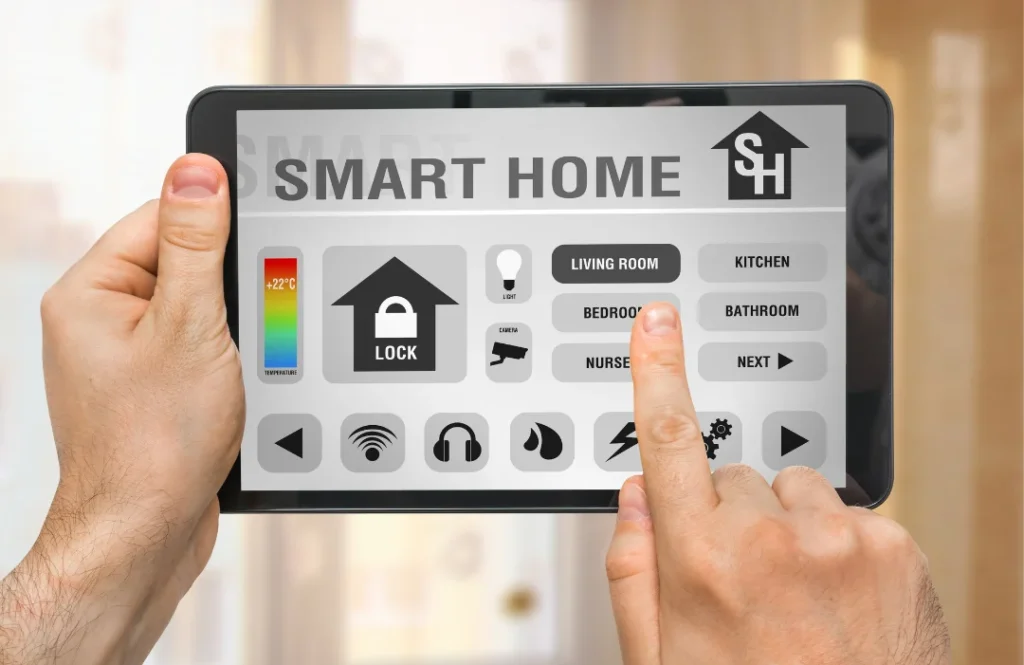
According to NAHB’s 2024 What Home Buyers Really Want report, the technology features buyers want most include security cameras, wireless security systems, programmable thermostats, and video doorbells. These smart home features are baseline criteria for a large share of new home buyers.
The most important point for smart home technology integration in new construction is the build phase is where the infrastructure happens. Wi-Fi handles some smart devices, but a hardwired data network outperforms wireless for reliability and speed, and it cannot be added cleanly after the walls close. The same applies to in-ceiling speaker wiring, security camera rough-ins, and smart lighting circuits.
The build phase is also where you spec the correct electrical load. Smart can lights, a programmable thermostat, and a home security hub all require planning during rough-in. For a full breakdown of what to plan for before the walls close, read: Tech Upgrades for Your New Home: What to Plan Before You Build.
Tier 1: Infrastructure decisions that require rough-in before the walls close
These features cannot be added after the fact without cutting into finished surfaces.
- Hardwired data network (low-voltage wiring throughout the home for speed and reliability Wi-Fi alone cannot match)
- Programmable thermostat and multizone HVAC wiring
- Security camera rough-in at entry points, garage, and exterior corners
- Video doorbell wiring at front and rear entries
- In-ceiling speaker wiring for great room, kitchen, and primary bedroom
- USB charging outlets at mudroom entry, kitchen, and both bedroom nightstand locations
- Conduit runs to the garage, outdoor spaces, and any detached structures for future additions
Tier 2: Devices that benefit from some planning ahead but can be added after move-in
These do not require rough-in, but deciding on them early means you can spec the right outlets, load capacity, and placement during the build rather than working around what is already in place.
- Smart door locks and keypad entry
- Smart garage door openers
- Indoor and outdoor lighting controls and dimmers
- Smart appliances (refrigerator, range, dishwasher)
- On-demand tankless water heater
- Lawn irrigation controls
- Smart smoke and CO alarms
Feature #2: Deep-Pour Basement with a Walk-Out Option
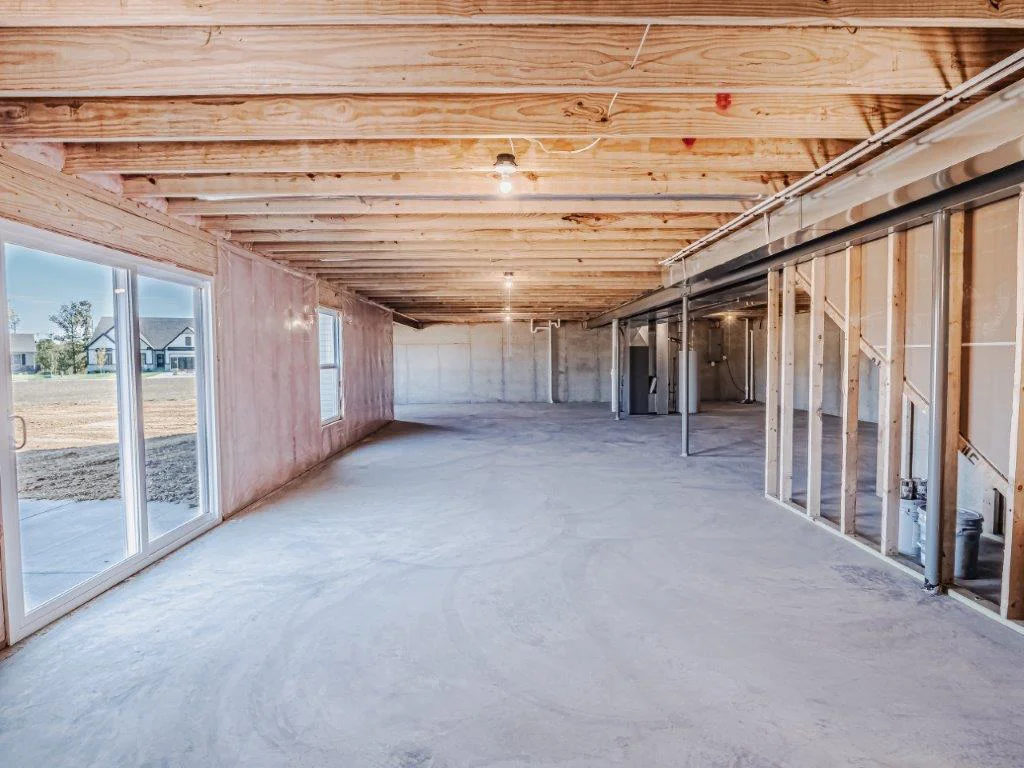
A standard basement runs 8 feet from floor to joist. Adding one foot, from 8 to 9 feet, changes the feel of the space immediately. Once a ceiling is installed with recessed lighting, an 8-foot basement reads as a utility space. A 9-foot basement reads as a room.
At CMS Homes, a 9-foot pour is one of the most consistent upgrades buyers include after touring our display homes. It is also one of the few decisions with no path back. Basement depth is set at the foundation pour and cannot be retrofitted or changed.
The walk-out option, relevant in CMS communities where lot grade permits it, adds exterior access to the lower level. For homes with a pool, patio, or planned outdoor living area, a walk-out basement separates foot traffic from the main floor and extends the usable living area to grade level.
Feature #3: High Ceilings on the Main Floor
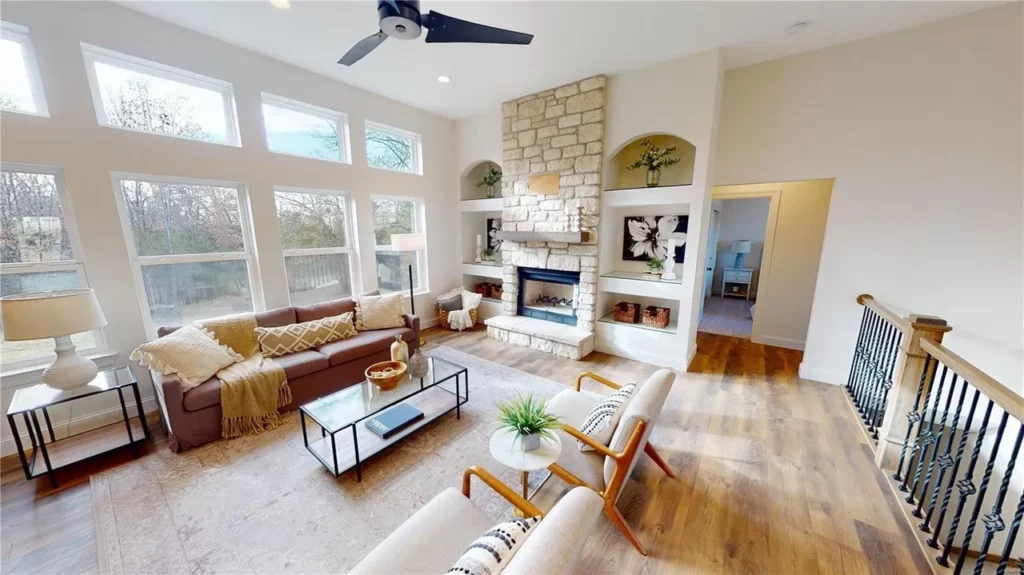
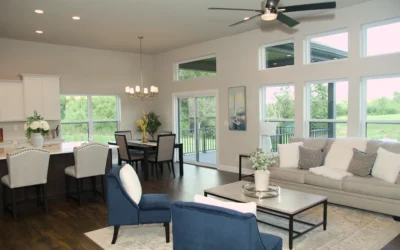
Nine-foot ceilings are now the starting point for new construction in the mid- to upper-price range homes. We build many of our homes with 10-foot and 11-foot ceiling heights in the main living areas and pair that lofty ceiling height with transom windows that bring light in above the standard window line.
We tend to find vaulted ceilings, tray ceilings, and exposed beams remain popular in formal rooms and primary suites. While non-vaulted 10- or 11-foot ceilings do best in a great room or kitchen area can and do change how the entire floor feels.
The case for high ceilings is not purely aesthetic. Ceiling height is one of the structural decisions you cannot revisit after the pour. The home’s base frame sets the standard height for any home. Once the joists and subfloor are in place, the ceiling height for every room on that level is fixed.
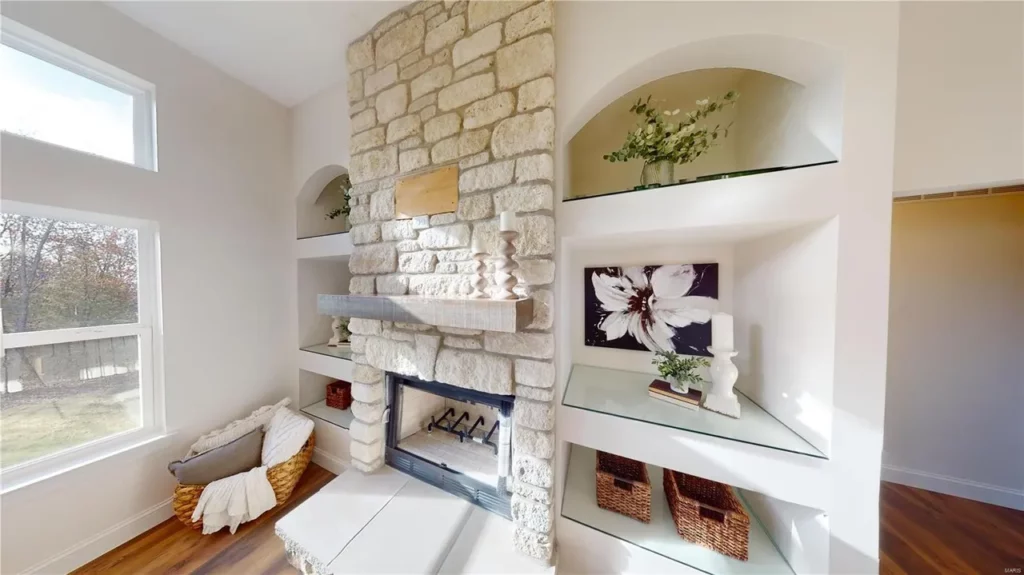
NAHB’s 2025 architectural trends report notes that biophilic design, the practice of connecting interior spaces to light and the natural environment, is among the top buyer preferences in new construction. High ceilings with transom windows are the most direct way to achieve this without altering the footprint. You can see this in action at the CMS Homes display home at Orchard Grove at 602 Schapers Court in Moscow Mills.
Feature #4: Built-In and Out-of-Sight Storage Throughout the Home
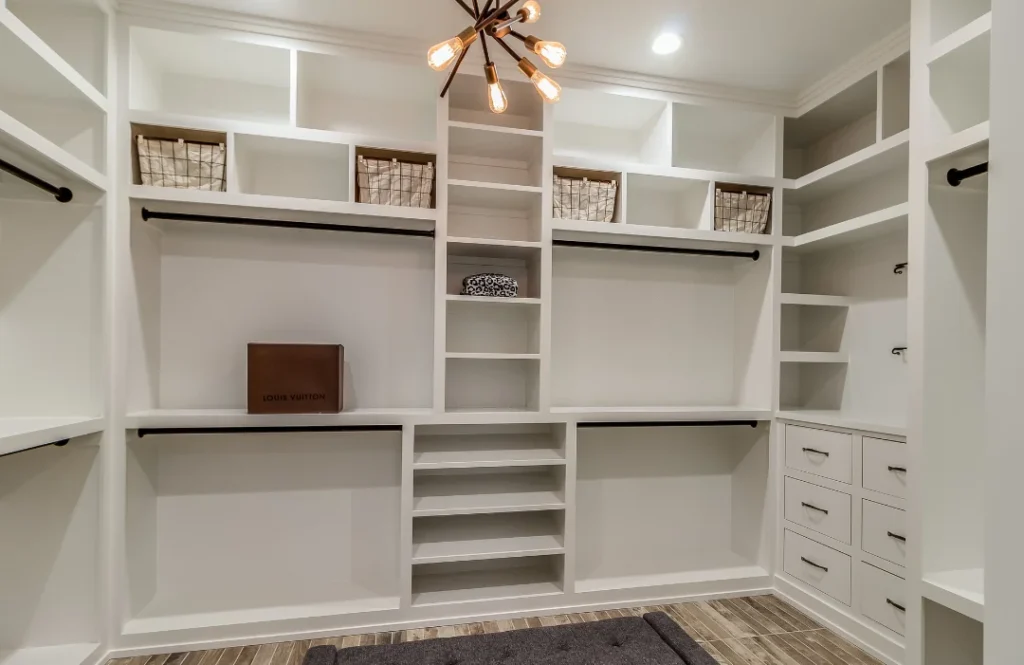
Buyers want more organized, purpose-built storage, and they want it built in, not added later. According to NAHB’s 2024 buyer survey, extra garage storage and a walk-in pantry rank among the top storage features buyers want in a new home. They also reported that the laundry room and garage storage remain top priorities for buyers across all generations.
These are the locations that benefit the most from a well-thought-out storage plan.
Where to plan storage during the build
The pantry: A larger footprint, practical shelving, and a barn-style door that maximizes depth. A butler’s pantry, if the floor plan allows, adds appliance storage and prep space that keeps the main kitchen surfaces clear.
Primary closet: The internal configuration matters as much as the square footage. Specify rod height, shelf depth, and whether you want one or two sides before the build closes it in.
Mudroom or laundry room: Both are high-traffic, high-mess zones. Built-in organizers, a utility sink, and dedicated hamper space behind a closed door are better served by a plan than by a furniture solution post-move-in.
Entryway closet: Entryway closets need to do more than store coats. They also are the drop zone for hats, bags, shoes, pet accessories, and seasonal gear all land at the entry. A deeper closet with pull-out options handles more without requiring additional furniture.
Garage: A third bay, if the lot and budget allow, adds workshop and recreational storage that has a direct effect on resale value. In our market, a third garage bay is a consistent buyer priority.
Feature #5: Outdoor Living Space with Indoor Conveniences
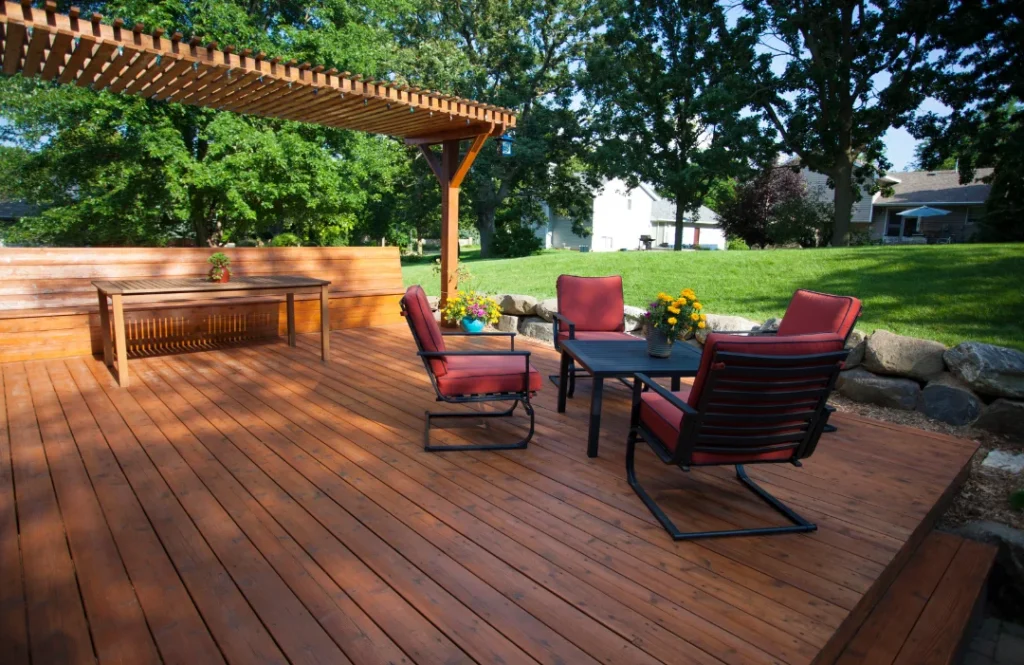
With the right setup, Missouri residents can enjoy outdoor living nine to ten months of the year. A covered porch, a finished patio, gas lines for an outdoor grill or fireplace, and access to outdoor outlets are all build-phase decisions that change how the exterior of the home functions for the life of ownership.
As with the prior four features we’ve highlighted, the consistent mistake new home builders make with outdoor living space is planning to add it later. Outdoor kitchens require plumbing and gas rough-ins. A covered structure needs to tie into the roof line or the foundation. Outdoor lighting requires conduit. Building code and permitting requirements change over time. Every one of these is cheaper, cleaner, and more architecturally cohesive when built into the original plan.
Outdoor features worth planning at build phase
- Covered deck or patio with ceiling fan rough-in and exterior outlets
- Gas line for an outdoor grill, fireplace, or fire pit
- Outdoor kitchen plumbing and electrical rough-in, even if the kitchen itself comes later
- Exterior lighting on a timer or motion control
- Walk-out basement access if lot grade and layout permit
Build the Features In From the Start
Each of these five features has one thing in common: the decision happens before the walls close. Smart home wiring, basement depth, ceiling height, storage configuration, and outdoor rough-ins are all fixed once the framing and foundation work are done. The cost to add them at build phase is far lower than any post-construction alternative.
At CMS Homes, we structure our design review to work through exactly these decisions. Our in-house team covers pre-wiring, structural options, and outdoor planning as part of the process, so you don’t even have to remember what to ask!
Ready to begin your journey toward homeownership? Stop by one of CMS Homes’ three display homes located in Orchard Grove, Moscow Mills, Missouri and see how easy it is to get a realistic new home estimate and explore available lots. We’re here to help, Monday through Saturday, 11 AM to 5 PM, or by appointment.
Contact CMS Homes to schedule your free estimate.
0 Comments